
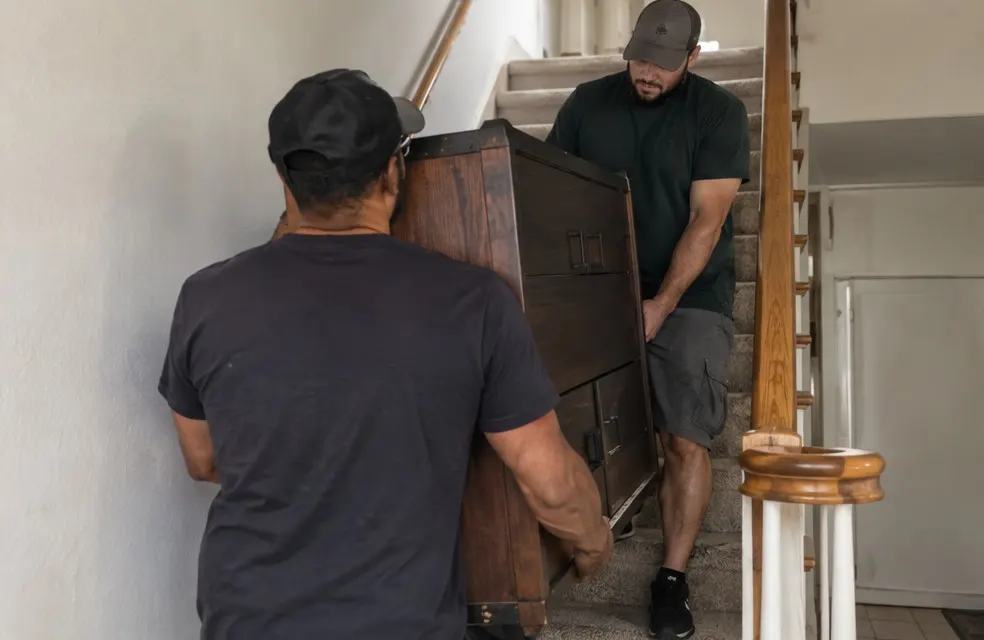
Two apartments with the same furniture can take very different times to move. One is on the ground floor with the truck at the door. The other is on the third floor, the elevator is shared, and the truck has to park around the corner. If you charge them the same, you lose money on the second one, or you overcharge the first. Here is how to price access fairly.
Why access matters so much
Every item makes the trip twice: out of the old home and into the new one. A flight of stairs or a 150 foot walk adds time to every single trip. For a two-bedroom with 150 pieces and boxes, an extra 30 seconds per trip on each end adds about 2.5 hours. At $185 an hour for three movers, that is more than $450 you did not plan for.
Three ways to charge for access
- Pure hourly. The clock covers it. Simple, but the customer's estimate is too low and they feel surprised
- A per-flight fee. For example $50 to $100 per flight above the first. Precise, but harder to explain
- A flat add-on. One fee for stairs or an elevator at either home, another for a long carry. Easy to explain and easy to put in a calculator
Most small movers do best with option 3 on the estimate and the hourly clock on the final bill. At sample rates:
- Stairs or an elevator at either home: +$100 on a full local move
- Long carry, more than about 75 feet from the door to the truck: +$75
- On small hourly moves and labor-only jobs: +$60 for stairs or an elevator, +$50 for a long carry
So a two-bedroom on the second floor with no elevator is $930 + $100 = $1,030, and the customer sees that before they book.
Elevators are not free
An elevator sounds faster than stairs, and sometimes it is. But shared elevators in apartment buildings often mean waiting, reservations, padding requirements and a time window. Ask the customer to reserve the elevator for your arrival time and to check whether the building needs a certificate of insurance. Many buildings do, and the request can take a few days.
Pianos and safes
Heavy items need extra people, special dollies and a plan. Price them on their own:
- A piano or safe inside a full move: +$250
- A single heavy item on its own trip: about $350 for one, $550 for two
- Stairs on a single heavy item move: +$125
Grand pianos, safes over 500 pounds and anything that needs a hoist are custom quotes. Do not guess on those.
What to ask on the phone
Your receptionist or your website should ask every customer:
- What floor is each home on?
- Stairs, elevator or ground level?
- How far is the closest parking spot to the door?
- Any piano, safe, gun safe or item over 300 pounds?
These four questions change the estimate more than the number of boxes.
Plan the truck spot before moving day
The cheapest long carry is the one you avoid. Ask the customer to save a spot for the truck: cones, a neighbor's driveway, a loading zone permit if the city requires one. In dense neighborhoods, a permit or a reserved curb can save an hour on each end. Put a reminder about parking in your booking confirmation, two days before the move.
Write it on the final bill
On the balance invoice, list access add-ons as their own lines: "Stairs, old home, 2nd floor: $100". Customers who see the reason for a charge rarely dispute it. Customers who see one big number ask questions.
How to explain it to customers
Keep it plain: "Stairs and long walks add time on every trip, so we add $100 for stairs or an elevator. That keeps the price fair for people on the ground floor." Almost nobody argues with that.
Put access on your calculator
When access options sit right in your moving estimate calculator, the customer picks them while they think about their move, and the price they see is the price you meant. Read how much to charge for a local move for the rest of the price list.
Frequently asked questions
Do movers charge extra for stairs?
Most do, either through more hours on the clock or a set fee. A flat stairs or elevator add-on of around $100 on a full local move is common.
What is a long carry fee?
A charge for when the truck cannot park close to the door, usually more than about 75 feet away. It covers the extra walking time on every trip.